Crisis Communication 2025: Brand Protection Playbook

Developing a comprehensive crisis communication playbook is paramount for brand protection in 2025, enabling organizations to swiftly respond, manage narratives, and recover effectively from unexpected challenges.
In today’s hyper-connected digital landscape, a brand’s reputation can be built or shattered in moments. The need for a robust Crisis Communication for Brand Protection: A 2025 Playbook for Rapid Response and Recovery has never been more critical. As we navigate an era of instant information dissemination and heightened public scrutiny, organizations must be equipped not just to react, but to proactively manage potential threats to their integrity and consumer trust. This comprehensive guide delves into the essential components of a modern crisis communication strategy, offering actionable insights for safeguarding your brand in the coming year and beyond.
Understanding the Evolving Crisis Landscape in 2025
The nature of crises has shifted dramatically, fueled by digital acceleration and global interconnectedness. What once might have been a localized issue can now spiral into an international incident within hours, amplified by social media and 24/7 news cycles. Brands in 2025 face a complex array of potential threats, from data breaches and product recalls to ethical controversies and social justice movements. Understanding this evolving landscape is the first step toward effective brand protection.
The speed at which information travels means that the window for a thoughtful, strategic response is narrowing. Public perception is formed rapidly, often based on initial reactions and social media sentiment. This necessitates a proactive approach to crisis preparedness, moving beyond traditional reactive models to embrace predictive analytics and real-time monitoring. Brands must anticipate potential vulnerabilities and develop contingency plans before a crisis even emerges.
The rise of digital activism and misinformation
One of the most significant shifts is the impact of digital activism and the pervasive spread of misinformation. Social media platforms, while powerful tools for engagement, can also become breeding grounds for rumors and targeted attacks. Brands need to distinguish between legitimate criticism and malicious disinformation, and develop strategies to address both effectively.
- Social listening tools: Essential for real-time monitoring of brand mentions, sentiment analysis, and identifying emerging issues.
- Fact-checking protocols: Establishing internal processes to verify information quickly and accurately before responding.
- Influencer dynamics: Understanding how key online figures can impact crisis narratives, both positively and negatively.
Moreover, the increasing demand for corporate social responsibility means brands are held to higher ethical standards than ever before. Any perceived misstep in areas like sustainability, diversity, or ethical sourcing can trigger a swift and severe public backlash. This broadens the scope of what constitutes a ‘crisis’ and requires a holistic view of brand vulnerability.
In conclusion, the 2025 crisis landscape is characterized by speed, digital amplification, and heightened ethical scrutiny. Brands must move beyond simply reacting to crises and instead cultivate an adaptive, resilient communication framework that anticipates and navigates these complex challenges effectively.
Building a Resilient Crisis Communication Team
At the heart of any effective crisis communication playbook is a well-structured and highly trained crisis communication team. This isn’t just about assigning roles; it’s about fostering a culture of preparedness and shared responsibility. The team should comprise individuals from various departments, each bringing a unique perspective and skill set to the table, ensuring a holistic response.
Establishing clear lines of communication and decision-making authority within the team is paramount. During a crisis, ambiguity can lead to delays and inconsistent messaging, further exacerbating the situation. A designated crisis leader, along with spokespersons and technical experts, must be identified and trained well in advance.
Key roles and responsibilities
A typical crisis communication team should include representatives from leadership, legal, public relations, marketing, human resources, and IT. Each member plays a crucial role in collecting information, crafting messages, and disseminating updates.
- Crisis Lead: Oversees the entire response, makes final decisions, and coordinates with leadership.
- Spokesperson(s): Trained individuals who are the public face of the organization during a crisis, delivering consistent and empathetic messages.
- Social Media Monitor: Dedicated to tracking online conversations, identifying trends, and flagging misinformation.
- Legal Counsel: Provides guidance on potential legal implications of communications and actions.
- Technical Experts: Offers factual information and context related to the crisis, e.g., product engineers for a recall.
Regular training and simulation exercises are non-negotiable for a truly resilient team. These drills help members understand their roles under pressure, identify potential weaknesses in the plan, and refine their responses. They also build confidence and cohesion within the team, which is vital when a real crisis strikes.
The effectiveness of a crisis communication team hinges on its ability to collaborate seamlessly, make swift decisions, and communicate with clarity and empathy. Investing in their training and empowering them with the necessary tools and authority is a critical component of brand protection.
Developing Your 2025 Crisis Communication Playbook
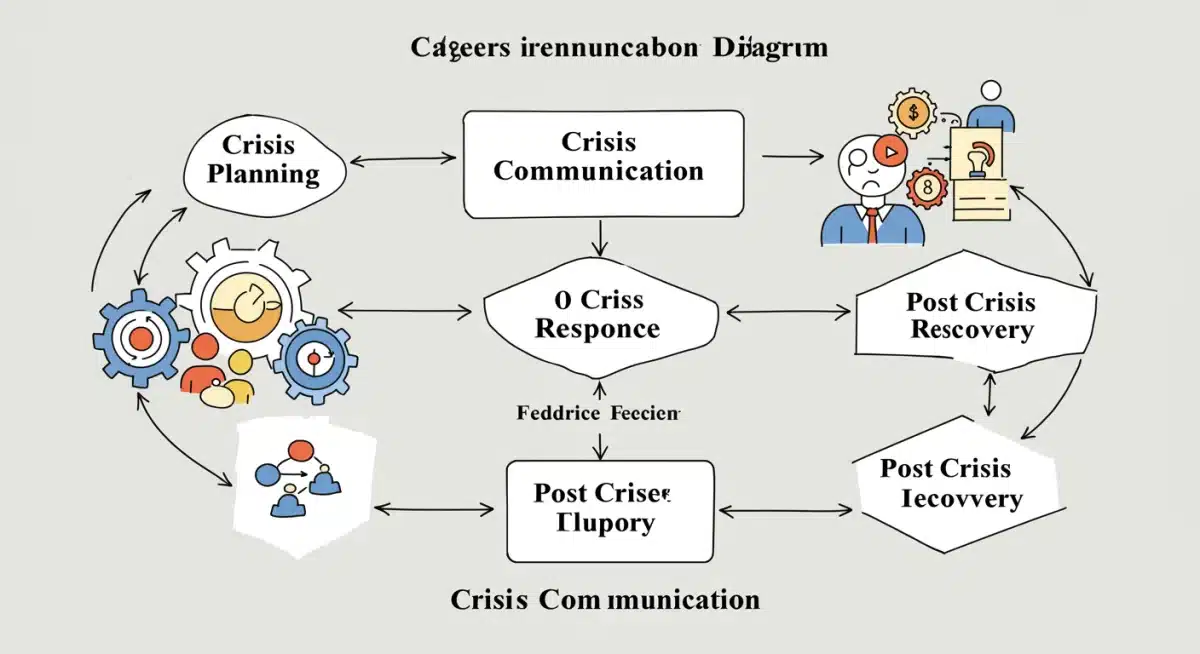
A well-crafted crisis communication playbook is more than just a document; it’s a living guide that prepares your organization for the unexpected. For 2025, this playbook must be agile, adaptable, and comprehensive, addressing not only traditional media but also the nuanced dynamics of digital platforms. It serves as the central reference point for all crisis-related activities, ensuring a unified and strategic response.
The development process should be collaborative, involving key stakeholders from across the organization. This ensures that the playbook reflects the company’s values, legal obligations, and operational realities. It should outline specific scenarios, define clear reporting structures, and provide pre-approved messaging templates to expedite response times.
Essential components of the playbook
A robust playbook should include several critical sections, each designed to address a different aspect of crisis management. These components work together to provide a holistic framework for rapid response and recovery.
- Scenario planning: Identification of potential crisis types relevant to your industry and specific brand, with tailored response strategies for each.
- Stakeholder mapping: A comprehensive list of all internal and external stakeholders, including contact information and preferred communication channels.
- Message house: Pre-approved key messages, holding statements, FAQs, and talking points for various crisis scenarios.
- Communication channels strategy: Guidelines for utilizing different platforms (social media, press releases, internal memos, website updates) during a crisis.
- Legal and ethical guidelines: Clear protocols to ensure all communications comply with legal requirements and ethical standards.
Beyond these core elements, a 2025 playbook must also integrate advanced technologies. This includes leveraging AI for sentiment analysis and trend prediction, as well as utilizing secure communication platforms for internal team coordination. The playbook should also detail post-crisis review procedures, ensuring continuous learning and improvement.
Ultimately, a dynamic crisis communication playbook is an indispensable asset for brand protection. It provides the structure, guidance, and readiness needed to navigate turbulent times, minimizing damage and accelerating the path to recovery.
Rapid Response Strategies for Digital Crises
In the digital age, a rapid response isn’t just an advantage; it’s a necessity. The speed at which information, and misinformation, can spread online demands an immediate and well-coordinated reaction. Digital crises, from viral negative reviews to social media boycotts, require a distinct set of strategies tailored to the unique characteristics of online platforms. The goal is to control the narrative before it spins out of control.
Effective rapid response begins with real-time monitoring. Sophisticated social listening tools can detect early warning signs, allowing brands to intervene before a small issue escalates. Once a crisis is identified, the clock starts ticking, and every minute counts in formulating and deploying an initial response.
Executing an immediate digital response
The first few hours of a digital crisis are often the most critical. A holding statement should be prepared and released quickly, acknowledging the situation and committing to further investigation. Transparency and empathy are key to maintaining trust.
- Acknowledge and empathize: Show that you hear and understand concerns, even if details are still emerging.
- Provide official channels: Direct stakeholders to official sources for accurate information, such as a dedicated crisis page on your website.
- Avoid speculation: Only communicate confirmed facts and avoid making promises that cannot be kept.
- Choose the right platform: Respond where the conversation is happening, whether it’s Twitter, Facebook, or a specific forum.
Beyond the initial holding statement, continuous monitoring and adaptive messaging are crucial. As new information emerges, communications must be updated and refined. It’s also important to engage with affected stakeholders directly and respectfully, demonstrating a commitment to resolving the issue rather than just deflecting criticism.
Rapid response in digital crises is about agility, authenticity, and control. By having pre-approved messages, a clear chain of command, and the right digital tools, brands can significantly mitigate the negative impact and protect their reputation even in the face of intense online scrutiny.
Effective Recovery and Reputation Rebuilding
Once the immediate crisis has been managed, the focus shifts to long-term recovery and rebuilding the brand’s reputation. This phase is often more protracted and requires sustained effort, as trust, once broken, is difficult to restore. Effective recovery is about demonstrating genuine commitment to addressing the root causes of the crisis and making amends where necessary.
The recovery process should begin with a thorough internal review of what went wrong and how the crisis was handled. This introspection is vital for learning and implementing preventative measures for the future. Transparency about these findings, where appropriate, can also help rebuild public confidence.
Strategies for long-term reputation repair
Rebuilding a brand’s reputation involves a multi-faceted approach, extending beyond mere apologies. It requires tangible actions and a consistent demonstration of positive change.
- Corrective actions: Implement and communicate concrete steps taken to prevent recurrence of the crisis. This could involve policy changes, product improvements, or leadership adjustments.
- Proactive communication: Share positive news and initiatives that align with brand values and demonstrate a commitment to improvement.
- Engage advocates: Work with loyal customers, employees, and credible third parties to help share the brand’s recovery story.
- Monitor and adapt: Continuously track public sentiment and adjust communication strategies as needed to ensure messages resonate effectively.
Furthermore, investing in community outreach, corporate social responsibility initiatives, and customer experience enhancements can significantly contribute to reputation rebuilding. These actions demonstrate that the brand is not just focused on its bottom line, but also on its broader impact and values.
The journey of recovery and reputation rebuilding is a marathon, not a sprint. It demands patience, consistency, and a genuine commitment to ethical conduct and stakeholder well-being. By following a structured approach, brands can not only recover from a crisis but emerge stronger and more resilient than before.
Proactive Measures for Brand Protection in 2025
While a robust crisis communication playbook is essential for reaction and recovery, the most effective strategy for brand protection in 2025 lies in proactive measures. Preventing crises from occurring, or at least mitigating their impact, is always preferable to managing their aftermath. This involves a continuous process of risk assessment, ethical governance, and fostering strong stakeholder relationships.
Proactive brand protection extends beyond mere reputation management; it’s about embedding resilience into the very fabric of the organization. This means cultivating a culture of transparency, accountability, and continuous improvement, ensuring that potential vulnerabilities are identified and addressed before they escalate.
Implementing preventative strategies
Several key strategies can help brands proactively safeguard their reputation and minimize the likelihood of a crisis. These measures require consistent effort and integration into daily operations.
- Regular risk assessments: Conduct periodic audits to identify potential vulnerabilities, from operational failures to ethical lapses, and develop mitigation plans.
- Strong ethical governance: Implement clear codes of conduct, robust compliance programs, and ethical training for all employees.
- Stakeholder engagement: Maintain open and honest communication with customers, employees, investors, and the wider community to build trust and gather feedback.
- Data security and privacy: Prioritize robust cybersecurity measures and transparent data handling practices to prevent breaches, a major source of modern crises.
- Product quality and safety: Ensure rigorous quality control and safety standards for all products and services, preventing recalls and negative publicity.
Additionally, investing in media training for key personnel, fostering a positive internal culture, and actively participating in industry best practices all contribute to a stronger, more resilient brand. These efforts build a reservoir of goodwill that can be invaluable during challenging times.
In essence, proactive brand protection is about foresight and prevention. By consistently investing in ethical practices, robust risk management, and strong stakeholder relationships, brands can significantly reduce their exposure to crises and maintain a strong, positive image in the competitive landscape of 2025.
| Key Aspect | Brief Description |
|---|---|
| Evolving Crisis Landscape | Digital amplification and misinformation demand rapid, proactive responses from brands. |
| Resilient Crisis Team | Diverse, well-trained teams with clear roles are crucial for coordinated and effective communication. |
| Dynamic Playbook | An agile, comprehensive guide with scenario planning and pre-approved messaging is vital. |
| Proactive Measures | Risk assessments, ethical governance, and strong stakeholder relations prevent future crises. |
Frequently Asked Questions About Crisis Communication
A crisis communication playbook is a comprehensive document outlining an organization’s strategy, procedures, and messaging for responding to various potential crises. It defines roles, communication channels, and pre-approved statements to ensure a rapid, coordinated, and effective response to protect brand reputation.
Rapid response is critical in digital crises because information, and misinformation, spreads instantly online. A swift, transparent, and empathetic initial response can help control the narrative, prevent escalation, mitigate damage, and maintain public trust before negative perceptions solidify.
A crisis communication team should ideally include representatives from senior leadership, legal, public relations, marketing, human resources, and IT. This diverse composition ensures a holistic approach, covering all operational, legal, and reputational aspects of a crisis response.
Brands can proactively protect their reputation through regular risk assessments, strong ethical governance, transparent stakeholder engagement, robust data security, and unwavering commitment to product quality. These measures build trust and resilience, reducing crisis likelihood.
Effective post-crisis recovery involves implementing corrective actions, communicating proactive positive initiatives, engaging brand advocates, and continuously monitoring public sentiment. The goal is to demonstrate genuine commitment to improvement and rebuild trust through consistent, transparent efforts over time.
Conclusion
In the dynamic and often unpredictable landscape of 2025, a meticulously crafted crisis communication playbook is not merely a contingency plan but a foundational pillar of brand protection. From understanding the evolving digital threats to building a resilient response team and implementing proactive measures, every step plays a crucial role in safeguarding reputation and fostering long-term trust. By embracing transparency, agility, and empathy, brands can navigate crises with confidence, transforming potential setbacks into opportunities for demonstrating resilience and strengthening their relationship with stakeholders. The investment in robust crisis communication today is an investment in the brand’s enduring success tomorrow.