Brand Purpose as a Growth Driver: Loyalty by 2025

Achieving a 10% increase in customer loyalty by the end of 2025 is attainable by strategically integrating and communicating a strong brand purpose, fostering deeper connections and driving sustainable business growth.
In today’s competitive landscape, businesses are constantly seeking innovative ways to not only attract new customers but also retain existing ones. One of the most powerful yet often underestimated strategies is leveraging Brand Purpose as a Growth Driver: Achieving a 10% Increase in Customer Loyalty by End of 2025. This approach goes beyond mere transactions, fostering a deeper, more meaningful connection with your audience.
Understanding the Essence of Brand Purpose
Brand purpose is more than just a mission statement or a marketing slogan; it’s the fundamental reason your brand exists beyond making a profit. It encapsulates the positive impact your company aims to make on the world, for your customers, employees, and society at large. A well-defined brand purpose serves as a guiding star, influencing every aspect of your business from product development to customer service.
It acts as a powerful differentiator in a crowded market. When consumers perceive that a brand aligns with their personal values, they are far more likely to develop a strong emotional connection, leading to increased loyalty and advocacy. This shift from transactional relationships to value-driven partnerships is crucial for sustainable growth.
Defining Your Core Purpose
Identifying your brand’s core purpose requires introspection and a deep understanding of your company’s values and aspirations. It’s about asking ‘why’ your business exists and what societal problem it genuinely seeks to solve or what positive change it wants to bring about.
- Identify core values: What principles guide your business decisions?
- Understand societal impact: How does your brand contribute to the greater good?
- Engage stakeholders: Involve employees, customers, and partners in the discovery process.
- Articulate a clear vision: Craft a concise and inspiring statement that defines your purpose.
Ultimately, a compelling brand purpose resonates on an emotional level, inspiring trust and building a community around shared ideals. It transforms passive consumers into active advocates, vital for achieving significant increases in customer loyalty.
The Direct Link Between Purpose and Loyalty
The connection between a strong brand purpose and enhanced customer loyalty is increasingly evident in consumer behavior. Modern consumers, particularly younger generations, are not just buying products or services; they are buying into ideologies and values. They want to support brands that stand for something meaningful and contribute positively to the world.
When customers feel that a brand shares their values and is genuinely committed to a cause, their loyalty deepens. This isn’t just about repeat purchases; it extends to brand advocacy, where customers actively recommend the brand to others, defend it against criticism, and participate in its community. This emotional investment creates a formidable barrier to competitor switching.
Building Emotional Connections
Emotional connections are the bedrock of lasting loyalty. A brand purpose provides the narrative framework for forging these bonds, moving beyond functional benefits to tap into deeper human aspirations. It allows customers to see themselves reflected in the brand’s mission, fostering a sense of belonging and shared identity.
- Authentic Storytelling: Share your purpose through compelling narratives that highlight your impact.
- Consistent Actions: Ensure your actions align with your stated purpose across all touchpoints.
- Community Engagement: Create platforms for customers to connect with your purpose and each other.
- Transparency: Be open about your efforts, successes, and challenges in fulfilling your purpose.
By consistently demonstrating your commitment to your purpose, you cultivate trust and emotional resonance, which are invaluable assets in building a loyal customer base. This loyalty, born from shared values, is far more resilient than loyalty based solely on price or convenience.
Integrating Purpose into Business Operations
A brand purpose cannot simply be a marketing veneer; it must be deeply embedded into the operational fabric of the organization. For it to truly drive growth and loyalty, every department and every employee must understand and embody the purpose in their daily work. This integration ensures authenticity and consistency, which are critical for consumer trust.
From supply chain decisions to employee training, the brand purpose should inform strategic choices and daily practices. This holistic approach ensures that the purpose is not just spoken but lived, making its impact tangible for both employees and customers. It creates a cohesive brand experience that reinforces its core values.
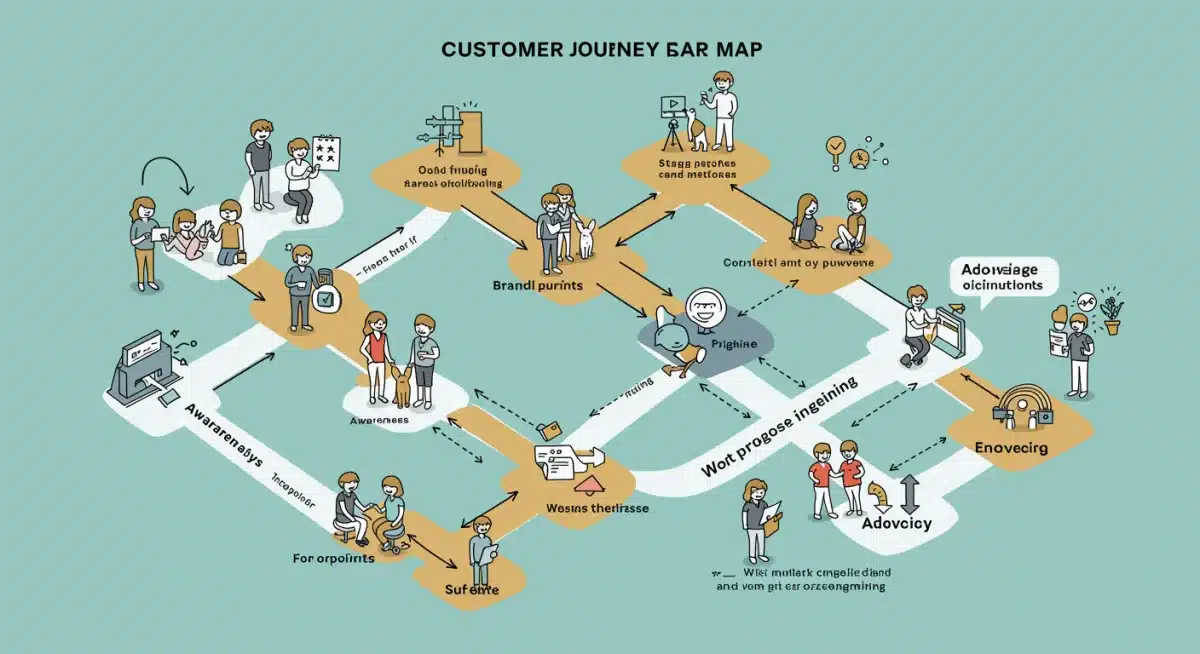
For example, if a brand’s purpose is environmental sustainability, this should be reflected in its sourcing of materials, manufacturing processes, packaging, and even its internal energy consumption. Customers are increasingly savvy and can quickly discern between genuine commitment and superficial greenwashing.
Operationalizing Your Purpose
To effectively integrate purpose into operations, a structured approach is essential. This involves clear communication, training, and accountability mechanisms to ensure that the purpose permeates all levels of the organization.
- Leadership Buy-in: Ensure senior leadership champions and models the brand purpose.
- Employee Engagement: Educate and empower employees to understand and act on the purpose.
- Process Alignment: Review and adjust operational processes to reflect purpose-driven goals.
- Impact Measurement: Establish metrics to track the social and environmental impact of your purpose.
By making your brand purpose an integral part of your operational DNA, you create a powerful synergy that enhances brand reputation, attracts talent, and ultimately strengthens customer loyalty by demonstrating genuine commitment.
Measuring the Impact on Customer Loyalty
While the qualitative benefits of a strong brand purpose are clear, it’s crucial to quantify its impact on customer loyalty to demonstrate its value as a growth driver. Establishing clear metrics and regularly tracking progress allows businesses to optimize their purpose-driven strategies and prove their effectiveness.
Measuring loyalty goes beyond simple sales figures. It involves understanding customer sentiment, repeat purchase behavior, and advocacy levels. By setting a specific target, such as a 10% increase in customer loyalty by the end of 2025, brands can focus their efforts and monitor their success with precision.
Key Metrics for Loyalty Measurement
Several key performance indicators (KPIs) can help assess the effectiveness of brand purpose in boosting customer loyalty. A combination of these metrics provides a comprehensive view of customer engagement and retention.
- Net Promoter Score (NPS): Measures customer willingness to recommend your brand.
- Customer Lifetime Value (CLTV): Indicates the total revenue a customer is expected to generate.
- Repeat Purchase Rate: Tracks the percentage of customers who make multiple purchases.
- Customer Churn Rate: Measures the rate at which customers stop doing business with your brand.
- Brand Sentiment Analysis: Monitors online conversations and reviews for positive or negative perceptions.
Regularly analyzing these metrics against your purpose-driven initiatives allows for continuous improvement and demonstrates the tangible return on investment from your brand purpose efforts. This data-driven approach is essential for achieving the targeted 10% increase in loyalty.
Communicating Your Brand Purpose Effectively
Having a well-defined and integrated brand purpose is only half the battle; the other half is communicating it effectively to your target audience. Your purpose needs to be articulated clearly, authentically, and consistently across all communication channels to resonate with customers and inspire their loyalty.
Effective communication is about storytelling that highlights the impact of your purpose, rather than just stating it. It involves showing, not just telling, how your brand makes a difference. This builds credibility and helps customers understand the value beyond the product itself, fostering a deeper connection.
Strategies for Purpose-Driven Communication
To ensure your brand purpose reaches and engages your audience, a multi-faceted communication strategy is essential. This involves leveraging various platforms and formats to convey your message authentically.
- Digital Storytelling: Utilize videos, blog posts, and social media to share narratives about your purpose in action.
- Partnerships: Collaborate with non-profits or organizations that align with your brand’s values to amplify your impact.
- Employee Advocacy: Empower employees to be ambassadors for your brand’s purpose, sharing their experiences.
- Transparent Reporting: Publish impact reports or sustainability reports to demonstrate accountability and progress.
- Customer Co-creation: Involve customers in purpose-driven initiatives, making them part of the solution.
By consistently and authentically communicating your brand purpose, you not only attract like-minded customers but also reinforce the reasons why existing customers choose to remain loyal, driving towards your 10% loyalty increase goal.
Overcoming Challenges in Purpose-Driven Growth
While the benefits of brand purpose are significant, implementing a purpose-driven strategy is not without its challenges. Brands often face skepticism, internal resistance, or difficulties in maintaining authenticity. Addressing these hurdles proactively is crucial for success and for achieving the desired increase in customer loyalty.
One common challenge is the perception that purpose is secondary to profit. Leaders must demonstrate that purpose and profit are not mutually exclusive but rather mutually reinforcing. Another obstacle can be ensuring that purpose initiatives are not seen as mere marketing stunts but as genuine commitments.
Navigating Common Obstacles
Overcoming these challenges requires strategic planning, consistent effort, and a genuine commitment from leadership. Transparency and accountability are key in building and maintaining trust.
- Avoid Greenwashing/Purpose-Washing: Ensure your purpose is genuine and backed by consistent action.
- Internal Alignment: Gain full buy-in from all levels of the organization, from leadership to frontline staff.
- Resource Allocation: Dedicate sufficient resources (time, money, personnel) to purpose-driven initiatives.
- Long-Term Vision: Understand that purpose-driven growth is a marathon, not a sprint, requiring sustained commitment.
- Adaptability: Be prepared to adapt your approach based on feedback and evolving societal needs.
By proactively addressing these challenges, brands can effectively harness the power of purpose to drive significant growth in customer loyalty, reinforcing their position as leaders in their respective industries and making meaningful societal contributions.
| Key Aspect | Brief Description |
|---|---|
| Define Purpose | Clearly articulate your brand’s reason for existence beyond profit, focusing on positive impact. |
| Integrate Purpose | Embed purpose into all business operations, from strategy to daily execution, ensuring authenticity. |
| Measure Loyalty | Track KPIs like NPS, CLTV, and churn rate to quantify the impact of purpose on customer loyalty. |
| Communicate Authentically | Share your brand’s purpose through compelling storytelling and consistent messaging across all channels. |
Frequently Asked Questions About Brand Purpose and Loyalty
Brand purpose is the core reason a company exists beyond making money. It defines the positive impact it aims to have on society, its customers, and the environment, guiding all business decisions and fostering deeper connections with its audience.
Brand purpose increases loyalty by building emotional connections. When customers perceive that a brand aligns with their personal values and genuinely contributes to a cause, they develop trust, advocacy, and a stronger inclination to repeatedly choose that brand over competitors.
Absolutely. Small businesses can often integrate brand purpose more authentically due to their agility and closer customer relationships. By clearly defining and consistently acting on their purpose, they can build a loyal community without the extensive resources of larger corporations.
A poorly executed brand purpose can lead to skepticism and accusations of ‘purpose-washing,’ damaging brand reputation and eroding customer trust. It’s crucial for purpose to be authentic, integrated into operations, and consistently communicated to avoid negative impact.
Success can be measured through various metrics, including Net Promoter Score (NPS), Customer Lifetime Value (CLTV), repeat purchase rates, and churn rates. Additionally, brand sentiment analysis and employee engagement surveys can provide qualitative insights into your purpose’s impact.
Conclusion
The journey towards leveraging brand purpose as a significant growth driver, aiming for a 10% increase in customer loyalty by the end of 2025, is a strategic imperative for modern businesses. It demands more than just a superficial commitment; it requires a deep, authentic integration of purpose into every facet of the organization. By clearly defining your purpose, embedding it in your operations, measuring its impact diligently, and communicating it with sincerity, brands can cultivate profound emotional connections with their customers. This approach not only fosters unparalleled loyalty but also positions the brand for sustainable success in an increasingly conscious marketplace. The future of brand building lies in purpose-driven action, turning shared values into lasting relationships and tangible growth.