Video SEO in 2025: Optimizing for 15% Organic Growth
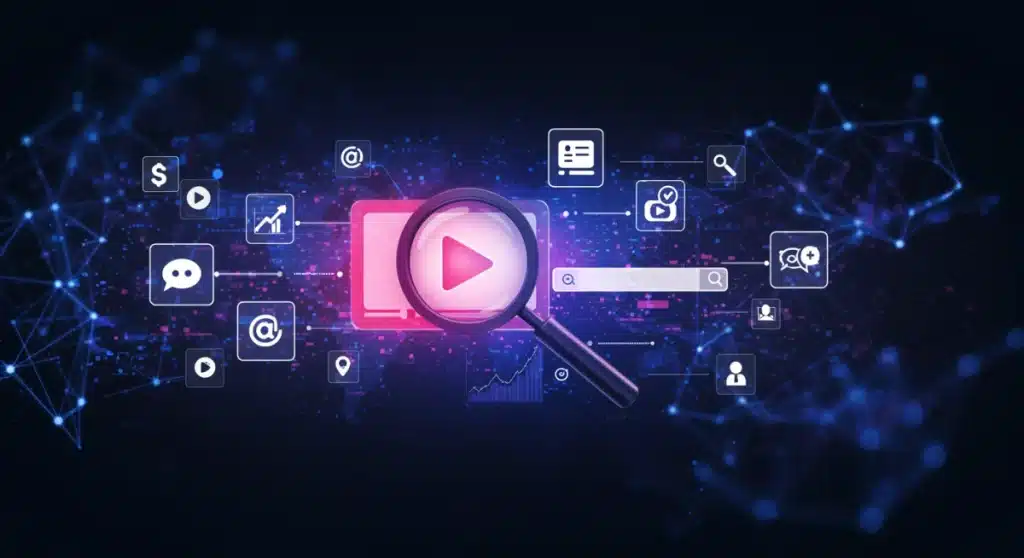
Strategic optimization of YouTube and embedded video content is crucial for a 15% surge in organic discoverability, requiring a comprehensive approach to evolving search algorithms and user behavior in 2025.
Video SEO in 2025: Optimizing YouTube and Embedded Content for a 15% Surge in Organic Discoverability – 5 Actionable Steps is no longer just an advantage; it’s a fundamental necessity for any brand striving for digital relevance. As search engines become increasingly sophisticated, integrating video content effectively into your overall SEO strategy is paramount. This guide will walk you through the essential steps to ensure your video content not only gets seen but truly performs.
Understanding the Evolving Landscape of Video SEO
The digital realm is in constant flux, and video content stands at the forefront of this evolution. In 2025, search engines are more adept than ever at understanding video context, transcending mere keyword matching. This means a holistic approach is required, considering everything from viewer engagement to the technical infrastructure supporting your videos. Ignoring these shifts can lead to your content being lost in the vast digital ocean, while embracing them can unlock unprecedented organic reach.
The convergence of AI, machine learning, and natural language processing has transformed how videos are indexed and ranked. Search engines now analyze visual and auditory cues, sentiment, and even the emotional response of viewers. This sophisticated analysis demands a more nuanced optimization strategy than simply stuffing keywords into titles and descriptions. It’s about creating genuinely valuable and engaging content that resonates with your target audience.
The Shift Towards Semantic Understanding
Gone are the days when keywords alone dictated search rankings. Today, semantic understanding plays a critical role. Search engines strive to comprehend the user’s intent behind a query, not just the words they type. For video, this means understanding the narrative, topics discussed, and overall value proposition. Your video content must clearly address specific user needs and questions to rank effectively.
- Focus on topic clusters rather than isolated keywords.
- Ensure your video content provides comprehensive answers.
- Align video themes with broader content marketing strategies.
The Rise of AI in Video Analysis
Artificial intelligence is revolutionizing video SEO. AI algorithms can transcribe audio, identify objects and faces, and even gauge the emotional tone of a video. This capability allows search engines to categorize and recommend videos with remarkable precision. Content creators must now think about how their visual and auditory elements contribute to the overall semantic meaning of their videos.
Understanding these evolving dynamics is the first step toward harnessing the full power of video SEO. By adapting your strategies to align with these technological advancements, you can position your content for maximum discoverability and impact in 2025 and beyond.
Actionable Step 1: Optimize YouTube Videos for Maximum Discoverability
YouTube remains the undisputed king of video platforms, making its optimization crucial for any video SEO strategy. Simply uploading a video isn’t enough; you need to meticulously craft every element to appeal to both the platform’s algorithm and human viewers. This involves a comprehensive approach to titles, descriptions, tags, and thumbnails, all designed to maximize visibility and engagement.
Think of your YouTube channel as a mini-search engine itself. Users are actively looking for solutions, entertainment, or information. Your role is to make your videos the most appealing and relevant option. This requires a deep understanding of your audience’s search habits and the competitive landscape within your niche.
Crafting Compelling Titles and Descriptions
Your video title is your first impression. It needs to be catchy, keyword-rich, and accurately reflect the content. A good title piques curiosity while providing enough information for both users and algorithms. The description, on the other hand, is your opportunity to provide context, include relevant keywords, and guide viewers to further resources.
- Include your primary keyword naturally within the first few words of the title.
- Write a detailed description (200-500 words) with secondary keywords and timestamps.
- Add a clear call to action and links to relevant pages or social media.
Strategic Tagging and Thumbnail Design
Tags help YouTube understand your video’s topic and categorize it correctly, while thumbnails are critical for click-through rates. Effective tagging involves a mix of broad and specific keywords, including long-tail variations. A well-designed thumbnail is visually appealing, uses high contrast, and clearly conveys the video’s subject matter.
Don’t underestimate the power of a custom thumbnail. It’s often the deciding factor for a viewer scrolling through search results. Invest time in creating a professional and engaging thumbnail that stands out from the competition. This visual cue can significantly impact how many people decide to click on your video, directly influencing its discoverability.
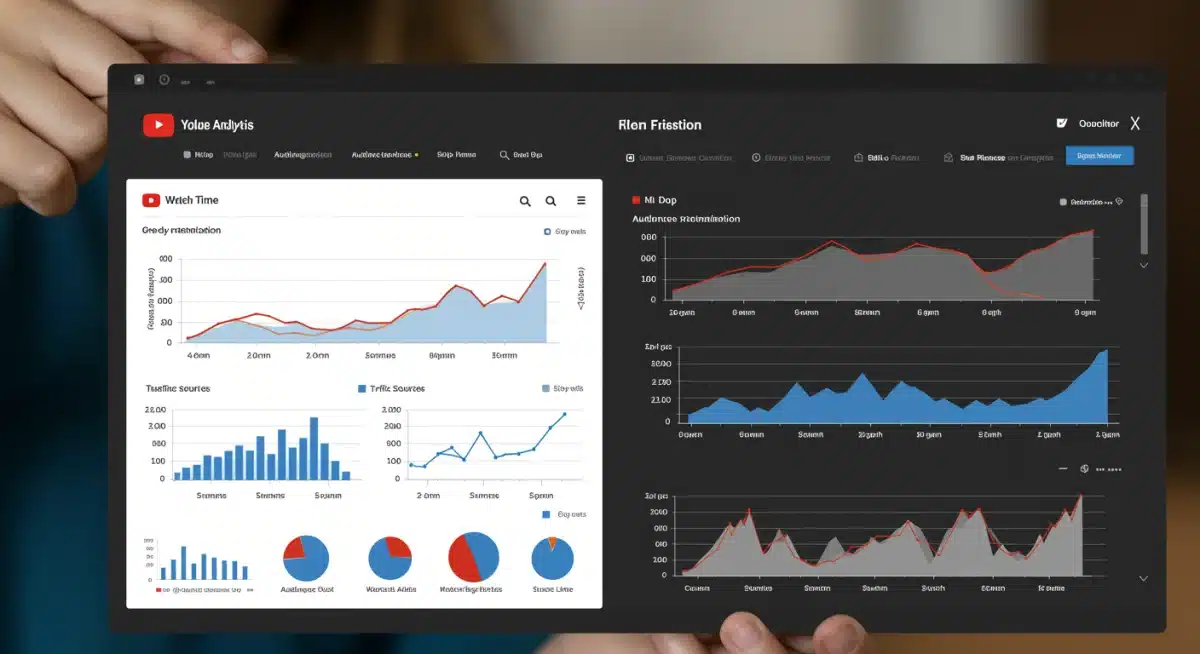
Furthermore, consistently analyzing your YouTube analytics is paramount. Pay close attention to watch time, audience retention, and traffic sources. These metrics provide invaluable insights into what’s working and what isn’t, allowing you to refine your strategy continuously. YouTube’s algorithm heavily favors videos that keep viewers engaged, so understanding these patterns is key to long-term success.
Actionable Step 2: Optimizing Embedded Video Content for Web SEO
While YouTube is vital, optimizing videos embedded on your own website is equally important for overall web SEO. These videos contribute to dwell time, reduce bounce rates, and can rank directly in Google’s search results. The goal is to ensure search engines can crawl, index, and understand your embedded content just as effectively as they do your text-based content.
Embedded videos enhance user experience, which is a significant ranking factor. A well-placed video can explain complex topics, showcase products, or simply make your content more engaging. However, without proper optimization, these videos might not contribute to your SEO efforts as much as they could.
Implementing Schema Markup for Videos
Schema markup provides search engines with explicit information about your video content. By adding structured data, you can help Google understand the video’s title, description, thumbnail URL, upload date, and duration. This can lead to rich snippets in search results, making your content more prominent and clickable.
- Use
VideoObjectschema for all embedded videos. - Include key properties like name, description, uploadDate, and thumbnailUrl.
- Test your schema markup using Google’s Structured Data Testing Tool.
Ensuring Technical Performance and Responsiveness
The technical performance of your embedded videos directly impacts user experience and SEO. Slow loading videos or non-responsive players can frustrate users and lead to higher bounce rates. Ensure your video player is optimized for speed and adapts seamlessly to different screen sizes and devices.
Consider using content delivery networks (CDNs) to host your videos, which can significantly improve loading times for users across various geographical locations. Additionally, choose a video hosting solution that provides embed codes that are lightweight and don’t slow down your page. Prioritize user experience above all else, as search engines increasingly reward sites that offer a smooth browsing experience.
Actionable Step 3: Leveraging Transcripts and Closed Captions
Transcripts and closed captions are often overlooked but are incredibly powerful tools for video SEO. They make your video content accessible to a wider audience, including those with hearing impairments, and provide search engines with valuable text content to index. This significantly boosts the discoverability of your videos.
Beyond accessibility, transcripts act as a full-text version of your video, allowing search engines to understand every spoken word. This expands your keyword potential exponentially, enabling your videos to rank for a broader range of queries that might not be covered in your title or description alone.
Improving Accessibility and SEO Simultaneously
By providing accurate transcripts and closed captions, you’re not only enhancing the user experience for a diverse audience but also feeding search engines with rich, indexable content. This dual benefit makes them a non-negotiable component of any robust video SEO strategy. Many users prefer to consume video content silently, and captions cater directly to this preference.
- Generate accurate, time-synced closed captions for all videos.
- Provide full, searchable transcripts on your website for embedded content.
- Ensure transcripts are optimized with relevant keywords without keyword stuffing.
The Power of Keyword-Rich Transcripts
Every word spoken in your video, once transcribed, becomes potential keyword real estate. This allows your video to appear in search results for specific phrases or questions discussed within the content, even if those terms aren’t explicitly in the title or description. It’s a goldmine for long-tail keyword optimization.
Furthermore, transcripts can be repurposed into blog posts, social media content, or e-books, extending the life and reach of your video content. This strategic reuse not only maximizes your content investment but also creates more touchpoints for users to discover your brand through various search queries. The synergy between video and text content is a powerful driver for organic growth.
Actionable Step 4: Promoting and Distributing Your Video Content
Creating and optimizing excellent video content is only half the battle; effective promotion and distribution are essential for achieving that 15% surge in organic discoverability. Your videos need to reach the right audience through multiple channels to gain traction, generate engagement, and signal relevance to search engines.
A well-executed distribution strategy ensures that your content isn’t just sitting on YouTube or your website, waiting to be found. It actively pushes your videos into the digital ecosystem, leveraging existing audiences and attracting new ones.
Cross-Promotion on Social Media and Email
Social media platforms are natural habitats for video content. Share your videos across all relevant social channels, tailoring your posts to each platform’s unique audience and format. Email marketing also provides a direct line to your most engaged audience, making it an excellent channel for video promotion.
- Share native video snippets or trailers on social media to drive traffic to the full video.
- Include video links and compelling descriptions in your email newsletters.
- Engage with comments and questions across all platforms to foster community.
Strategic Partnerships and Influencer Collaborations
Collaborating with other creators, influencers, or brands can significantly expand your video’s reach. Partnering with someone who has an established audience relevant to your content introduces your videos to a new, engaged viewership. This can lead to a rapid increase in views, subscribers, and overall discoverability.
When considering partnerships, look for collaborators whose values align with yours and whose audience is genuinely interested in your content. Authenticity is key to successful collaborations. A well-chosen partnership can create a ripple effect, bringing sustained organic traffic to your videos long after the initial promotion.
Actionable Step 5: Analyzing Performance and Iterating Your Strategy
The final, and perhaps most crucial, actionable step in achieving a 15% surge in organic discoverability is continuous analysis and iteration. Video SEO is not a one-time task; it’s an ongoing process of monitoring performance, understanding user behavior, and refining your strategy based on data-driven insights.
Without a robust analytics framework, you’re essentially operating in the dark. You need to know what’s working, what’s not, and most importantly, why. This data allows you to make informed decisions that optimize your future video content for even greater success.
Key Metrics for Video Performance
Beyond simple view counts, delve into metrics like watch time, average view duration, audience retention, click-through rate (CTR), and traffic sources. These metrics provide a deeper understanding of how users interact with your content and where they discover it. High watch time and retention signal valuable content to algorithms.
- Monitor watch time and audience retention rates closely for engagement insights.
- Analyze traffic sources to understand where your audience is coming from.
- Track keyword performance to identify new optimization opportunities.
A/B Testing and Continuous Improvement
Don’t be afraid to experiment. A/B test different video titles, thumbnails, and even calls to action to see what resonates best with your audience. Small tweaks based on data can lead to significant improvements in performance over time. The digital landscape is dynamic, and your strategy should be too.
Regularly review your content against competitor videos and industry trends. What are others doing successfully? What gaps can you fill? This continuous learning and adaptation cycle is what separates good video SEO from great video SEO. By committing to ongoing analysis and refinement, you ensure your video content remains relevant, engaging, and highly discoverable in the competitive digital space of 2025.
| Key Point | Brief Description |
|---|---|
| YouTube Optimization | Craft compelling titles, descriptions, and tags; design engaging thumbnails for higher CTR. |
| Embedded Video SEO | Implement Schema markup and ensure technical performance for web discoverability. |
| Transcripts & Captions | Boost accessibility and provide indexable text for search engines, expanding keyword reach. |
| Performance Analysis | Continuously monitor metrics and A/B test to refine strategies for sustained growth. |
Frequently Asked Questions About Video SEO in 2025
In 2025, search engines use advanced AI to understand video content deeply, moving beyond keywords to semantic meaning. This makes comprehensive video SEO crucial for visibility and ranking in a highly competitive digital landscape.
YouTube’s algorithm prioritizes videos based on watch time, audience retention, and engagement signals like likes and comments. Videos that keep viewers on the platform longer are favored, leading to increased discoverability and recommendations.
Schema markup is structured data that provides explicit information about your video to search engines. For embedded videos, it helps Google understand content details, potentially leading to rich snippets and improved visibility in search results.
Yes, transcripts provide a full-text version of your video’s spoken content, making every word indexable by search engines. This significantly expands the range of keywords your video can rank for, including long-tail search queries.
You should analyze your video performance regularly, ideally weekly or bi-weekly. Consistent monitoring of metrics like watch time, audience retention, and traffic sources allows for timely adjustments and continuous optimization of your strategy.
Conclusion
Achieving a 15% surge in organic discoverability through video SEO in 2025 demands a multifaceted and dynamic approach. By meticulously optimizing your YouTube content, enhancing embedded videos for web search, leveraging transcripts and captions, strategically promoting your work, and continuously analyzing performance, you can significantly elevate your brand’s presence. The digital landscape is ripe for video content that is not only compelling but also strategically positioned to be found. Embrace these actionable steps, and you’ll be well on your way to dominating the video search results and connecting with a broader, more engaged audience.