Brand Partnerships: 3 Strategic Frameworks for 2025 Growth

Implementing strategic frameworks for brand partnerships growth is crucial for businesses aiming to expand their reach and enhance their market position in 2025 by leveraging collaborative advantages.
In today’s dynamic marketplace, the path to sustained success often lies beyond individual effort. For businesses looking to thrive, especially in the competitive landscape of 2025, understanding and executing effective brand partnerships that drive growth is not just an advantage—it’s a necessity. These collaborations, when strategically planned and meticulously executed, can unlock new markets, amplify brand messages, and foster innovation in ways that independent ventures rarely achieve. This article will delve into three core strategic frameworks designed to help your brand forge powerful alliances, ensuring not just survival, but significant expansion and enduring relevance.
Understanding the Landscape of Brand Partnerships in 2025
The concept of brand partnerships is far from new, yet its evolution continues at a rapid pace, driven by technological advancements, shifting consumer behaviors, and an increasingly interconnected global economy. In 2025, successful collaborations are less about simple co-promotion and more about deep, integrated strategies that create mutual value for all parties involved, most importantly, the consumer. This requires a nuanced understanding of market trends and a proactive approach to identifying potential synergies.
Modern brand partnerships extend beyond traditional marketing campaigns. They encompass product development, content creation, distribution channel expansion, and even shared research and development. The goal is to leverage complementary strengths to achieve objectives that would be more challenging or costly to reach independently. As such, brands must approach these alliances with a clear vision and a robust framework to navigate their complexities effectively.
The Rise of Value-Driven Collaborations
Consumers are increasingly discerning, seeking authenticity and shared values from the brands they support. This trend significantly impacts how partnerships are formed and perceived. Collaborations solely driven by transactional benefits often fall flat, whereas those rooted in shared purpose and ethical alignment resonate deeply with target audiences.
- Authenticity: Partnerships must feel genuine, not forced.
- Shared Values: Aligning with brands that reflect similar ethical and social stances enhances credibility.
- Consumer Perception: The collaboration should clearly benefit the consumer, offering enhanced value or unique experiences.
Technology’s Role in Facilitating Partnerships
Digital platforms and data analytics have revolutionized how brands identify, connect with, and manage partnerships. AI-driven tools can now pinpoint ideal partners based on audience overlap, brand sentiment, and strategic fit, streamlining a process that was once heavily reliant on manual research and networking.
In conclusion, the 2025 landscape for brand partnerships demands a strategic, value-driven approach, deeply informed by consumer insights and facilitated by advanced technology. Brands that master this will unlock unprecedented opportunities for growth and innovation.
Framework 1: The Co-Creation and Innovation Alliance
The first strategic framework focuses on co-creation and innovation, moving beyond mere marketing alignment to genuine product or service development. This approach involves two or more brands combining their expertise, resources, and creative energies to develop something entirely new or significantly enhance existing offerings. The core idea is to leverage distinct capabilities to innovate faster and more effectively than either brand could alone.
This framework is particularly potent in rapidly evolving industries where continuous innovation is a key differentiator. By pooling intellectual capital and technological prowess, brands can significantly reduce R&D costs, accelerate time to market, and create offerings that resonate more deeply with diverse segments of their combined audience. It’s about creating a shared vision for the future and building it together.
Identifying Synergistic Partners for Co-Creation
Successful co-creation alliances hinge on finding partners whose strengths complement your weaknesses and whose vision aligns with your own. This isn’t just about market share; it’s about a strategic fit that promises to unlock novel solutions. Deep dives into potential partners’ R&D capabilities, market reputation, and cultural compatibility are essential.
- Complementary Strengths: Look for partners who bring different, yet valuable, expertise to the table.
- Shared Vision: Ensure both brands are committed to a common innovative goal.
- Cultural Fit: Compatibility in organizational culture can significantly impact the success of joint projects.
Structuring Co-Creation Agreements
Formalizing a co-creation alliance requires careful consideration of intellectual property, revenue sharing, and operational responsibilities. Clear legal frameworks are paramount to prevent disputes and ensure a fair distribution of benefits. Transparency and mutual trust form the bedrock of these complex agreements.
Ultimately, the co-creation and innovation alliance framework empowers brands to push boundaries, develop groundbreaking products, and capture new market segments by working together. It’s a powerful engine for brand partnerships that drive growth through shared inventiveness.
Framework 2: The Audience Expansion and Market Penetration Strategy
The second strategic framework, audience expansion and market penetration, is centered on leveraging a partner’s existing customer base to introduce your brand to new demographics or geographic regions. This strategy is less about developing new products and more about strategically reaching new eyes and ears, effectively expanding your market footprint without the prohibitive costs of independent market entry.
This framework is ideal for brands looking to scale quickly or enter niche markets where a partner already has established credibility and distribution channels. It relies on the principle that consumers are more likely to trust a new brand if it’s endorsed or presented by a brand they already know and respect. The key is to find partners whose audience demographics or psychographics align with your desired expansion targets, even if their core business differs.
Targeting Overlapping Audiences and New Demographics
Effective audience expansion requires meticulous research into your partner’s customer base. Identifying areas of overlap, as well as distinct segments you wish to penetrate, is crucial. This helps in tailoring joint marketing messages that resonate with both existing and new audiences, maximizing the partnership’s impact.
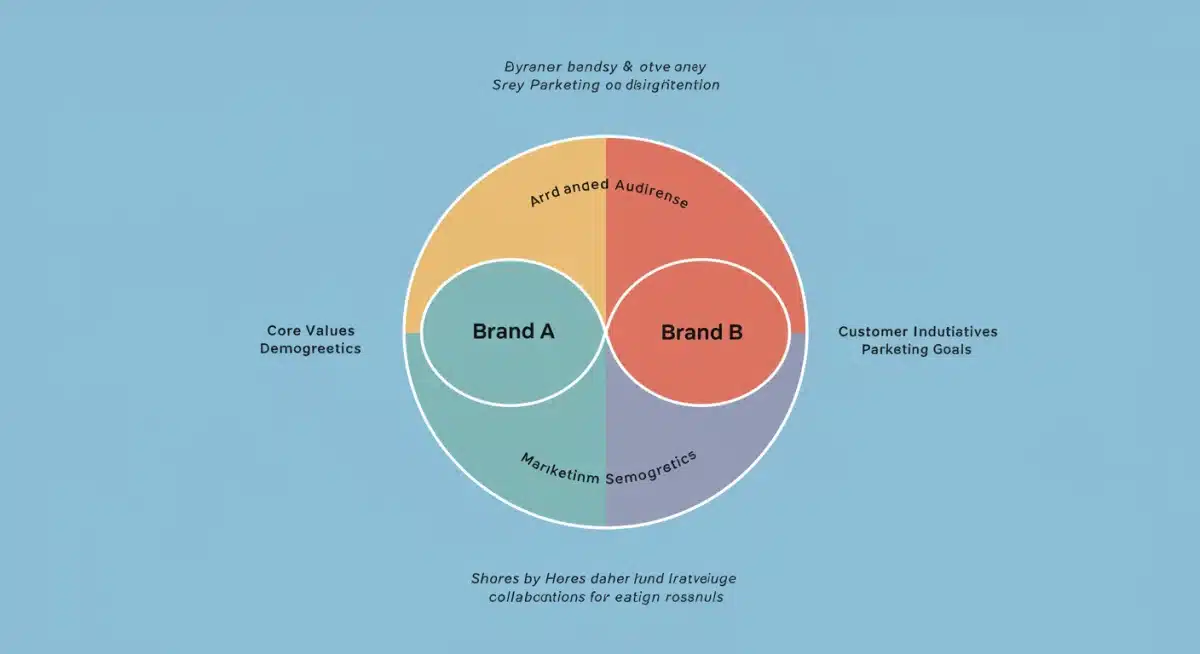
For instance, a health food brand might partner with a fitness app to reach health-conscious individuals who are already engaged in wellness activities. The app gains valuable content or product offers for its users, while the food brand gains exposure to a highly relevant and engaged audience.
Optimizing Distribution and Promotion Channels
Successful market penetration often involves utilizing a partner’s established distribution networks, whether these are physical retail spaces, e-commerce platforms, or digital content channels. This can significantly reduce the logistical hurdles and financial investments typically associated with entering new markets.
- Shared Marketing Campaigns: Co-branded campaigns can leverage the combined reach of both partners.
- Cross-Promotion: Featuring each other’s products or services in newsletters, social media, or in-store displays.
- Joint Events: Hosting webinars, workshops, or pop-up events to engage new audiences directly.
In essence, the audience expansion and market penetration framework is a powerful tool for accelerating growth by strategically borrowing a partner’s influence and infrastructure. It’s a clear demonstration of how brand partnerships that drive growth can open doors to previously untapped customer segments.
Framework 3: The Brand Equity Enhancement and Credibility Building Partnership
The third strategic framework focuses on enhancing brand equity and building credibility through association. This approach involves partnering with brands that possess a strong reputation, a loyal following, or a specialized expertise that your brand seeks to emulate or integrate. The primary goal is to elevate your brand’s perception in the eyes of consumers and stakeholders by aligning with an established and respected entity.
This framework is particularly beneficial for emerging brands seeking to gain trust, or for established brands looking to diversify their image or enter new, credibility-sensitive categories. The halo effect of a respected partner can significantly accelerate brand acceptance and foster a sense of reliability. It’s about strategically borrowing equity to fortify your own brand’s standing.
Leveraging Reputational Synergy
Choosing a partner with a stellar reputation in a relevant field can instantly confer a level of trustworthiness upon your brand. For example, a tech startup might partner with a well-known university for research, or a new ethical fashion brand might collaborate with an established non-profit organization. This type of synergy adds significant weight to your brand’s narrative.
The key is to ensure the partner’s reputation is genuinely aligned with the values and aspirations of your brand. Any misalignment can backfire, potentially damaging both brands’ images. This requires thorough due diligence and an honest assessment of shared public perception.
Strategic Endorsements and Collaborative Storytelling
Beyond formal partnerships, strategic endorsements or co-created content can effectively build credibility. This involves creating narratives that highlight the shared commitment to quality, innovation, or social responsibility, leveraging the partner’s authoritative voice to amplify your brand’s message. Think of a luxury car brand partnering with a high-end watchmaker to emphasize precision engineering.
- Expert Endorsements: Collaborating with industry leaders or experts affiliated with your partner.
- Co-Branded Content: Creating articles, videos, or podcasts that showcase shared values and expertise.
- Social Responsibility Initiatives: Jointly supporting causes that resonate with both brands’ audiences.
Ultimately, the brand equity enhancement framework is about strategically weaving your brand into a tapestry of trusted associations, thereby accelerating the accumulation of goodwill and market confidence. It’s a sophisticated way for brand partnerships that drive growth to build intangible yet invaluable assets.
Measuring Success and Optimizing Partnership Performance
Regardless of the framework employed, the true measure of a brand partnership’s success lies in its ability to deliver measurable results. Establishing clear key performance indicators (KPIs) from the outset is crucial for tracking progress, identifying areas for improvement, and ensuring the partnership remains aligned with strategic objectives. Without robust measurement, even the most promising collaboration risks becoming an undirected effort.
Effective measurement extends beyond financial metrics. It encompasses brand perception shifts, audience engagement levels, operational efficiencies, and the overall strategic value generated. Regular reviews and transparent communication between partners are vital to course-correct and optimize performance throughout the partnership’s lifecycle. This iterative process ensures that the collaboration continues to evolve and deliver maximum impact.
Key Performance Indicators for Partnership Success
The specific KPIs will vary depending on the chosen framework and the partnership’s objectives. For co-creation alliances, metrics might include product adoption rates, innovation cycle times, or intellectual property generation. For audience expansion, focus might be on new customer acquisition, market share growth in new segments, or website traffic from partner channels.
For brand equity enhancement, relevant KPIs could involve brand sentiment analysis, increases in brand awareness, or improvements in customer trust scores. It’s important to select a balanced set of metrics that reflect both quantitative and qualitative outcomes, providing a holistic view of the partnership’s contribution to growth.
Leveraging Data for Continuous Optimization
Data analytics plays a pivotal role in understanding partnership dynamics and informing strategic adjustments. By regularly analyzing performance data, brands can identify which aspects of the collaboration are most effective and where improvements are needed. This data-driven approach allows for agile responses to market changes and ensures the partnership remains relevant and productive.
- Regular Reporting: Consistent sharing of performance data between partners.
- A/B Testing: Experimenting with different campaign messages or collaboration tactics.
- Feedback Loops: Establishing channels for continuous feedback from customers and internal teams.
In conclusion, measuring and optimizing partnership performance is not an afterthought but an integral part of the strategic process. By clearly defining success metrics and committing to data-driven adjustments, brands can ensure their brand partnerships that drive growth continue to yield significant returns and foster long-term strategic advantage.
Building Long-Term Sustainable Partnerships
While the immediate gains from brand partnerships are often the initial motivators, the true power of these collaborations lies in their potential for long-term, sustainable growth. Building enduring relationships requires more than just successful initial projects; it demands ongoing commitment, mutual respect, and a willingness to adapt and evolve together. A focus on sustainability transforms transactional alliances into strategic assets.
Sustainable partnerships are characterized by open communication, shared risk and reward, and a proactive approach to problem-solving. They are built on a foundation of trust and a shared understanding that the success of one partner contributes to the success of the other. This long-term perspective allows for deeper integration, more ambitious projects, and a more resilient market presence against competitive pressures.
Fostering Trust and Open Communication
Trust is the bedrock of any successful long-term relationship, and brand partnerships are no exception. Establishing clear communication channels, being transparent about challenges, and celebrating joint successes are all critical elements in building and maintaining trust. Regular check-ins and strategic alignment meetings ensure both parties remain on the same page.
This also involves a willingness to compromise and adapt. Market conditions change, and strategic priorities may shift. Partners who can openly discuss these changes and collaboratively adjust their approach are more likely to navigate challenges successfully and emerge stronger. The goal is to create a partnership where both brands feel heard, valued, and genuinely invested.
Evolving Partnership Agreements and Objectives
As market dynamics shift and both brands grow, the initial partnership agreement may need to be revisited and updated. What was relevant at the outset might not fully capture the evolving scope or new opportunities that arise. Regularly reviewing objectives and formalizing new agreements ensures the partnership remains dynamic and responsive.
- Annual Reviews: Scheduled evaluations of partnership performance and strategic fit.
- Flexible Terms: Designing agreements with built-in flexibility to accommodate changes.
- Joint Vision Workshops: Collaboratively planning future initiatives and long-term goals.
In conclusion, building long-term sustainable partnerships is about nurturing relationships that transcend individual campaigns. By prioritizing trust, open communication, and adaptability, brands can ensure their brand partnerships that drive growth continue to deliver value for years to come, solidifying their position in the market and fostering a collaborative ecosystem.
Common Pitfalls and How to Avoid Them
While brand partnerships offer immense potential for growth, they are not without their challenges. Many collaborations falter due to common pitfalls that can undermine even the most well-intentioned efforts. Recognizing these potential obstacles and proactively developing strategies to mitigate them is crucial for ensuring the longevity and success of any strategic alliance. Avoiding these traps can be as important as identifying the right opportunities.
Some of the most frequent issues include a lack of clear objectives, misaligned expectations, poor communication, and an imbalance in resource allocation. Addressing these issues head-on, with transparency and a commitment to mutual success, can transform potential weaknesses into opportunities for stronger collaboration. It’s about being prepared for the bumps in the road and having a plan to navigate them.
Lack of Clear Objectives and Measurable Goals
One of the most common reasons for partnership failure is a vague understanding of what each party hopes to achieve. Without clearly defined, measurable goals, it becomes impossible to assess success or justify continued investment. Every partnership must start with a detailed outline of objectives for both brands.
- SMART Goals: Ensure objectives are Specific, Measurable, Achievable, Relevant, and Time-bound.
- Shared Vision Document: Create a joint document outlining the partnership’s purpose and expected outcomes.
- Regular Review: Periodically revisit goals to ensure they remain relevant and achievable.
Misaligned Expectations and Resource Imbalance
Discrepancies in what each partner expects to contribute or gain can lead to resentment and disengagement. This can manifest in unequal resource allocation, differing levels of commitment, or a mismatch in the perceived value of the partnership. It’s vital to have open discussions about expectations and resources upfront.
Addressing these challenges requires a proactive approach to communication and a willingness to negotiate. By establishing clear roles, responsibilities, and anticipated returns for each partner, the risk of misunderstanding and imbalance can be significantly reduced. This ensures that both brands feel their contributions are valued and their investments are yielding fair returns. By mastering these preventative measures, brands can ensure their brand partnerships that drive growth are resilient and effective.
| Key Framework | Brief Description |
|---|---|
| Co-Creation & Innovation | Brands combine resources to develop new products or services, accelerating innovation. |
| Audience Expansion | Leveraging partner’s customer base to penetrate new markets or demographics. |
| Brand Equity Enhancement | Aligning with reputable brands to boost credibility and brand perception. |
| Performance Optimization | Continuous measurement and data analysis to ensure partnership effectiveness. |
Frequently Asked Questions About Brand Partnerships
The primary benefit is accelerated growth through expanded reach, shared resources, and enhanced credibility. Partnerships allow brands to tap into new markets and customer segments more efficiently than they could independently, fostering innovation and amplifying marketing efforts for greater impact and sustained success.
Identifying the right partner involves assessing complementary strengths, shared values, and audience overlap. Look for brands whose mission aligns with yours and whose products or services naturally complement your offerings, ensuring a synergistic relationship that benefits both parties and their customers.
Risks include brand misalignment, negative association, unequal resource distribution, and intellectual property disputes. Mitigating these requires clear communication, detailed legal agreements, and thorough due diligence on potential partners to ensure compatibility and shared commitment to the partnership’s success.
Technology, such as AI-driven analytics, can help identify ideal partners, track performance, and automate communication. It streamlines the entire partnership lifecycle, from initial outreach to performance measurement, allowing for data-driven decisions and optimized strategies that maximize ROI and efficiency.
Long-term sustainability hinges on mutual trust, open communication, shared objectives, and a flexible approach. Regular performance reviews, a willingness to adapt to changing market conditions, and a focus on creating ongoing value for both brands and their customers are essential for enduring success.
Conclusion
The strategic implementation of brand partnerships is no longer an optional tactic but a fundamental pillar for achieving significant growth in the competitive landscape of 2025. By embracing frameworks like co-creation and innovation, audience expansion, and brand equity enhancement, businesses can forge powerful alliances that extend their reach, deepen their market penetration, and solidify their reputation. The key to unlocking this potential lies in meticulous planning, clear communication, and a continuous commitment to measuring and optimizing performance. As the digital economy continues to evolve, those brands that master the art of collaborative growth will undoubtedly be the ones that thrive, building not just market share, but a resilient and interconnected ecosystem of success.