From Awareness to Advocacy: Your 90-Day Brand Champion Blueprint 2025
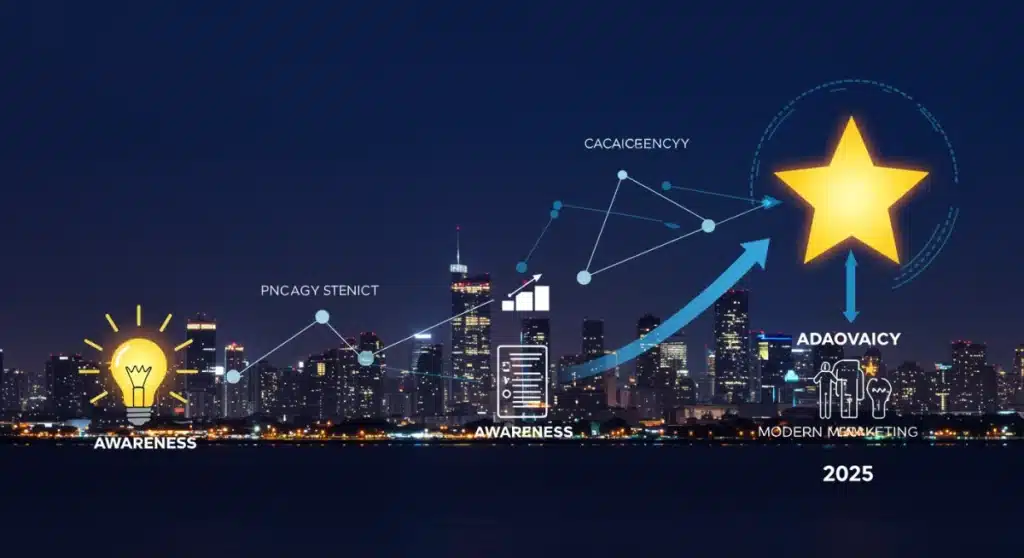
Transforming brand awareness into powerful customer advocacy requires a deliberate, structured approach, with a 90-day blueprint offering a clear roadmap to cultivate dedicated brand champions by 2025.
In today’s competitive landscape, simply being known isn’t enough; brands must foster deep connections that turn customers into passionate advocates. The journey From Awareness to Advocacy: A 90-Day Blueprint for Building Brand Champions in 2025 offers a strategic pathway to achieve this vital transformation, moving beyond fleeting attention to cultivate lasting loyalty and vocal support.
Understanding the Advocacy Imperative
Customer advocacy is no longer a luxury but a fundamental pillar of sustainable brand growth. It transcends traditional marketing, leveraging the authentic voices of satisfied customers to build trust and credibility far beyond what any advertising campaign can achieve. This section explores why cultivating brand champions is critical for market leadership in 2025.
In an era saturated with information, consumers increasingly rely on peer recommendations. A brand advocate acts as a trusted referrer, sharing positive experiences and influencing purchasing decisions within their networks. This organic word-of-mouth marketing is incredibly powerful, often leading to higher conversion rates and lower acquisition costs.
The Shift from Transactional to Relational
Modern consumers seek more than just products or services; they desire meaningful relationships with brands that align with their values. Moving from transactional interactions to relational engagement is key to fostering advocacy. This involves understanding customer needs, anticipating their desires, and consistently exceeding expectations.
- Authenticity: Advocates share genuine experiences, which resonates more deeply with potential customers than sponsored content.
- Trust: Recommendations from friends and family carry immense weight, significantly impacting purchasing decisions.
- Reach: Digital platforms allow advocates to share their positive experiences with vast audiences, amplifying a brand’s message organically.
- Cost-Effectiveness: Advocate-driven marketing often yields higher ROI compared to traditional paid advertising channels.
Ultimately, a strong base of brand champions provides a resilient foundation, helping brands navigate market fluctuations and competitive pressures. Their unwavering support and positive sentiment can insulate a brand during challenging times and accelerate growth during favorable periods. Embracing the advocacy imperative means investing in long-term customer relationships, recognizing their profound impact on brand equity and market position.
Phase 1: Laying the Foundation (Days 1-30)
The initial 30 days of our brand champion blueprint focus on establishing a robust understanding of your current customer base and defining the core values that will resonate with potential advocates. This foundational phase is critical for building a strategy that is both informed and authentic, ensuring every subsequent action is purposeful.
During this period, the emphasis is on data collection, audience segmentation, and refining your brand’s unique selling proposition. Without a clear understanding of who your best customers are and what truly motivates them, any advocacy efforts will lack direction and impact. This deep dive sets the stage for meaningful engagement.
Identifying Your Ideal Advocate
Not all customers are created equal when it comes to advocacy. The first step is to identify those who already exhibit signs of loyalty and enthusiasm. This involves analyzing purchase history, engagement metrics, social media activity, and customer service interactions. Surveys and direct feedback can also provide invaluable insights.
- Data Analysis: Review CRM data, website analytics, and social media engagement to spot highly active and satisfied customers.
- Customer Surveys: Implement short, targeted surveys to gauge satisfaction levels and willingness to recommend.
- Feedback Channels: Monitor reviews, comments, and direct messages for unsolicited positive feedback.
Simultaneously, it’s crucial to articulate your brand’s core values and mission. Advocates don’t just love a product; they connect with the brand’s purpose. Clearly defining these elements ensures that when advocates speak, they are echoing a consistent and compelling message that aligns with their own beliefs. This foundational clarity empowers both the brand and its future champions to communicate effectively and authentically.
Phase 2: Engaging and Nurturing (Days 31-60)
With a solid foundation in place, the second phase of the brand champion blueprint shifts focus to actively engaging and nurturing your identified potential advocates. This involves creating compelling experiences and fostering environments where customers feel valued, heard, and empowered to share their positive stories. It’s about building relationships, not just transactions.
During these 30 days, brands must actively listen to their customers, respond to their needs, and provide opportunities for deeper connection. This phase is less about overt marketing and more about genuine interaction, turning satisfied customers into true brand allies. Personalized communication and exclusive access play key roles here.
Creating Exclusive Experiences
To nurture advocates, consider offering them exclusive access or benefits that make them feel special and connected to the brand. This could include early access to new products, invitations to special events, or participation in beta testing programs. Such gestures reinforce their importance and deepen their loyalty.
Beyond exclusive access, establishing dedicated communication channels for potential advocates can significantly enhance engagement. This might involve private online communities, specialized newsletters, or direct lines to customer support. These channels provide a platform for feedback, discussion, and direct interaction with the brand, fostering a sense of belonging and mutual respect.
- Personalized Communication: Address customers by name, remember their preferences, and tailor messages to their specific interests.
- Community Building: Create online forums or groups where advocates can connect with each other and with the brand.
- Feedback Loops: Actively solicit and integrate feedback from potential advocates, showing that their opinions matter.
- Surprise and Delight: Unexpected gestures, like small gifts or personalized notes, can significantly strengthen emotional bonds.
The goal of this phase is to move beyond mere satisfaction to genuine affection and loyalty. By consistently providing value, listening attentively, and recognizing their contributions, brands can effectively nurture a core group of customers who are ready and willing to become powerful champions. This sustained engagement transforms passive interest into active passion.
Phase 3: Amplifying Advocacy (Days 61-90)
The final phase of the 90-day brand champion blueprint focuses on empowering your nurtured advocates to effectively share their positive experiences and amplify your brand’s message. This isn’t about micromanaging their voice, but rather providing them with the tools, platforms, and encouragement to spread their authentic enthusiasm. It’s about leveraging their trust and reach.
During these last 30 days, the emphasis is on making it easy for advocates to share, recognizing their contributions, and continually reinforcing their value to the brand. This structured approach helps ensure that their advocacy is both impactful and sustainable, turning individual voices into a powerful chorus.
Empowering Advocates with Tools and Content
Provide your brand champions with readily shareable content and simple tools to spread their message. This could include pre-approved social media templates, high-quality images and videos, or unique referral codes. The easier it is for them to share, the more likely they are to do so. Ensure the content aligns with your brand’s messaging but leaves room for their personal touch.
Furthermore, establish clear and accessible channels for advocates to provide testimonials, reviews, and case studies. Make the process seamless, perhaps offering incentives for their time and effort. Highlighting their contributions on your own platforms, such as your website or social media, not only recognizes their efforts but also inspires others to join the movement.
- Shareable Content Kits: Offer a curated selection of brand assets, such as logos, product images, and key messages, that advocates can easily use.
- Referral Programs: Implement structured referral programs that reward advocates for bringing in new customers.
- Testimonial Collection: Streamline the process for submitting reviews, video testimonials, and success stories.
- Social Media Mentions: Actively engage with and re-share advocate-generated content, giving them recognition and broader exposure.
By the end of this phase, your brand should have a growing network of active champions who are not only enthusiastic about your offerings but also equipped and motivated to share their passion with the world. This amplification creates a virtuous cycle, attracting new customers and reinforcing existing loyalty, making the brand champion blueprint a self-sustaining engine for growth.
Measuring Success and Sustaining Momentum
Implementing a brand champion blueprint is only half the battle; the other half lies in effectively measuring its impact and establishing mechanisms to sustain advocacy long-term. This involves tracking key performance indicators (KPIs) and continuously refining your strategy based on insights gained. Without proper measurement, it’s impossible to understand what’s working and where improvements are needed.
Measurement should not be a one-time event but an ongoing process integrated into your overall marketing and customer relationship management. This continuous feedback loop ensures that your advocacy program remains dynamic and responsive to both customer needs and market changes. Sustaining momentum requires consistent effort and adaptation.
Key Metrics for Advocacy Programs
Several metrics can help gauge the effectiveness of your advocacy efforts. These range from direct measures of referral activity to broader indicators of brand sentiment and engagement. A holistic view is essential for a comprehensive understanding of your program’s success.
- Net Promoter Score (NPS): A widely used metric that indicates customer loyalty and willingness to recommend.
- Referral Conversions: Track the number of new customers acquired through advocate referrals.
- Social Sharing Metrics: Monitor mentions, shares, and engagement rates of advocate-generated content.
- Advocate Engagement Rate: Measure participation in advocate programs, community forums, and feedback initiatives.
- Customer Lifetime Value (CLTV): Advocates often have a higher CLTV, reflecting their loyalty and repeat purchases.
Beyond quantitative metrics, qualitative feedback is equally important. Regularly solicit testimonials, case studies, and direct interviews with your champions to understand their motivations and identify areas for improvement. This qualitative data provides rich context and helps personalize your advocacy strategies. Sustaining momentum means continuously nurturing your champions, acknowledging their contributions, and evolving your program to keep it fresh and engaging. Regular communication, exclusive benefits, and opportunities for co-creation can ensure your brand champions remain enthusiastic and active for years to come, solidifying the long-term impact of your brand champion blueprint.
Common Pitfalls and How to Avoid Them
While the brand champion blueprint offers a clear path to cultivating advocates, several common pitfalls can derail even the most well-intentioned efforts. Recognizing these challenges upfront and proactively developing strategies to mitigate them is crucial for the program’s success. Awareness of potential obstacles allows for more resilient planning.
Many brands underestimate the ongoing commitment required for advocacy programs, treating them as mere campaigns rather than continuous relationship management. Avoiding these missteps ensures that your investment in building brand champions yields lasting returns and strengthens your market position in 2025.
Ignoring Customer Feedback
One of the most significant pitfalls is failing to genuinely listen to and act upon customer feedback. Advocates are often your most passionate customers, and their insights are invaluable. Ignoring their suggestions or complaints can quickly erode trust and enthusiasm, turning potential champions into detractors.
Another common mistake is a lack of authenticity. Advocacy thrives on genuine passion, not forced endorsements. If your program feels transactional or inauthentic, customers will see through it, and their willingness to advocate will diminish. Ensure that your interactions are always respectful, transparent, and focused on building real relationships, rather than just extracting endorsements.
- Lack of Personalization: Treating all advocates the same can make them feel like a number, rather than valued individuals.
- Inconsistent Communication: Sporadic or infrequent communication can lead to advocates feeling neglected or forgotten.
- Over-reliance on Incentives: While incentives can be helpful, intrinsic motivation (love for the brand) should always be the primary driver.
- Failure to Empower: Not providing advocates with the right tools or clear guidance can hinder their ability to effectively spread the word.
By addressing these common pitfalls with thoughtful strategies, brands can navigate the complexities of advocacy programs more effectively. This proactive approach ensures that the energy invested in the brand champion blueprint translates into a robust, engaged community of advocates who genuinely believe in and promote your brand, reinforcing its reputation and driving sustained growth.
Future-Proofing Your Advocacy Strategy for 2025 and Beyond
As the digital landscape constantly evolves, so too must your advocacy strategy. Future-proofing your brand champion blueprint means anticipating changes in consumer behavior, technology, and communication platforms. It involves building a flexible and adaptable framework that can withstand future shifts and continue to foster meaningful connections with advocates in 2025 and beyond.
This forward-thinking approach ensures that your investment in advocacy remains relevant and effective, continually generating value for your brand. It’s about staying ahead of the curve, not just reacting to changes as they occur, and leveraging emerging trends to strengthen your advocate community.
Embracing Emerging Technologies
Keep an eye on emerging technologies that can enhance advocate engagement and reach. This might include AI-powered personalization tools, virtual reality experiences, or new social media platforms. Integrating these technologies can create novel ways for advocates to interact with your brand and share their stories, making their advocacy more dynamic and impactful.
Furthermore, consider the growing importance of ethical considerations and data privacy. As consumers become more aware of how their data is used, transparency and trust will be paramount. Ensure your advocacy programs are built on a foundation of ethical practices, respecting privacy and fostering a secure environment for engagement. This commitment to ethics strengthens the trust that underpins all successful advocacy.
- AI for Personalization: Use AI to tailor content and experiences for individual advocates, making interactions more relevant.
- Interactive Content: Leverage interactive quizzes, polls, and augmented reality to create engaging sharing opportunities.
- Decentralized Communities: Explore blockchain-based or decentralized platforms for building transparent and secure advocate communities.
- Sustainability and Social Impact: Align your advocacy efforts with your brand’s commitment to social responsibility, appealing to advocates who value purpose-driven brands.
By continuously innovating and adapting, brands can ensure their advocacy strategy remains vibrant and effective. Future-proofing your brand champion blueprint means fostering a culture of continuous learning and evolution, guaranteeing that your brand champions remain a powerful asset in an ever-changing world. This proactive stance ensures long-term success and enduring brand loyalty.
| Key Aspect | Brief Description |
|---|---|
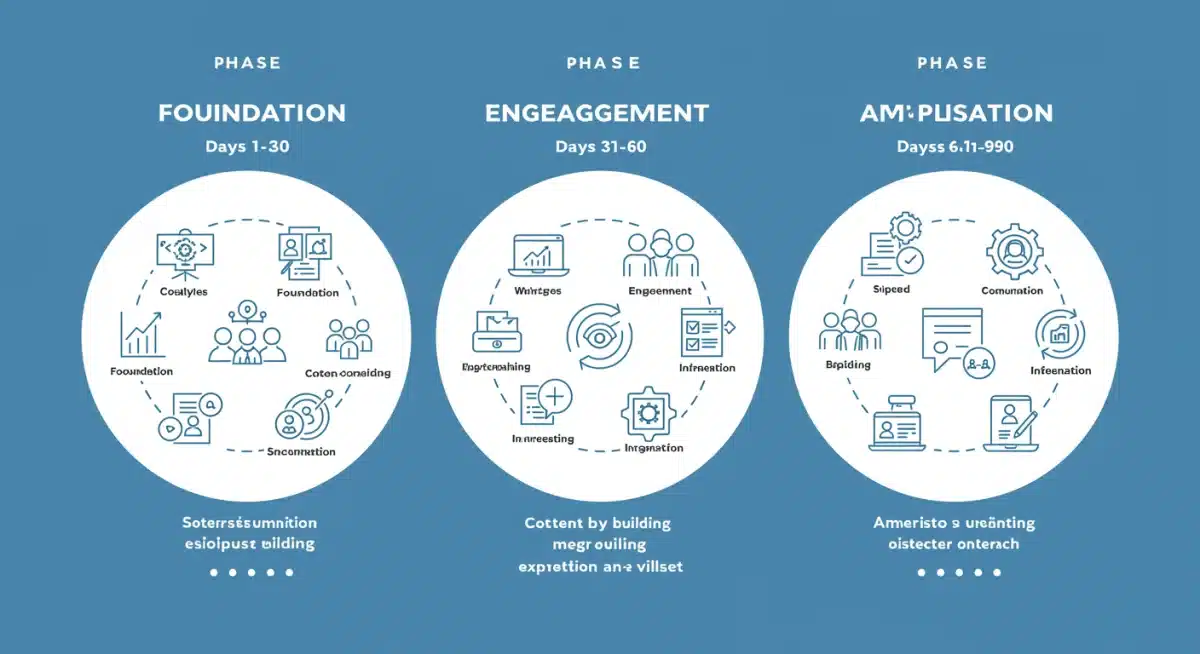
| Phase 1: Foundation | Identify ideal advocates and define brand values (Days 1-30). |
| Phase 2: Engagement | Nurture advocates with exclusive experiences and communication (Days 31-60). |
| Phase 3: Amplification | Empower advocates with tools to share and amplify the brand message (Days 61-90). |
| Measurement & Future-Proofing | Track KPIs, avoid pitfalls, and adapt strategy for long-term success. |
Frequently Asked Questions About Brand Champions
A brand champion is a loyal customer who actively promotes a brand through positive word-of-mouth and genuine enthusiasm. They are crucial because their authentic recommendations build trust and drive new customer acquisition more effectively than traditional advertising, fostering sustainable growth.
Identify potential champions by analyzing purchase history, engagement on social media, participation in loyalty programs, and positive feedback in surveys or reviews. Look for customers who consistently interact positively with your brand and show signs of high satisfaction and loyalty.
The blueprint consists of three phases: Foundation (identifying advocates, defining values), Engagement (nurturing through exclusive experiences and communication), and Amplification (empowering advocates to share). Each phase builds upon the last to systematically foster brand advocacy.
Success can be measured through various KPIs, including Net Promoter Score (NPS), referral conversion rates, social media engagement metrics for advocate-generated content, and customer lifetime value (CLTV) of referred customers. Qualitative feedback also provides valuable insights.
Avoid ignoring customer feedback, lacking personalization, inconsistent communication, and over-relying on incentives. Focus on genuine relationship building, providing value, and empowering advocates with the right tools while maintaining authenticity in all interactions to ensure long-term success.
Conclusion
The journey from mere brand awareness to cultivating a dedicated community of brand champions is a strategic imperative for any business aiming for sustained success in 2025. This 90-day blueprint offers a structured, actionable framework to systematically identify, engage, and empower your most passionate customers. By focusing on authentic relationships, providing value, and continuously adapting to the evolving digital landscape, brands can transform passive consumers into powerful advocates. Embracing this holistic approach ensures not only growth but also builds a resilient, trustworthy brand reputation that resonates deeply with audiences, driving both loyalty and market leadership.